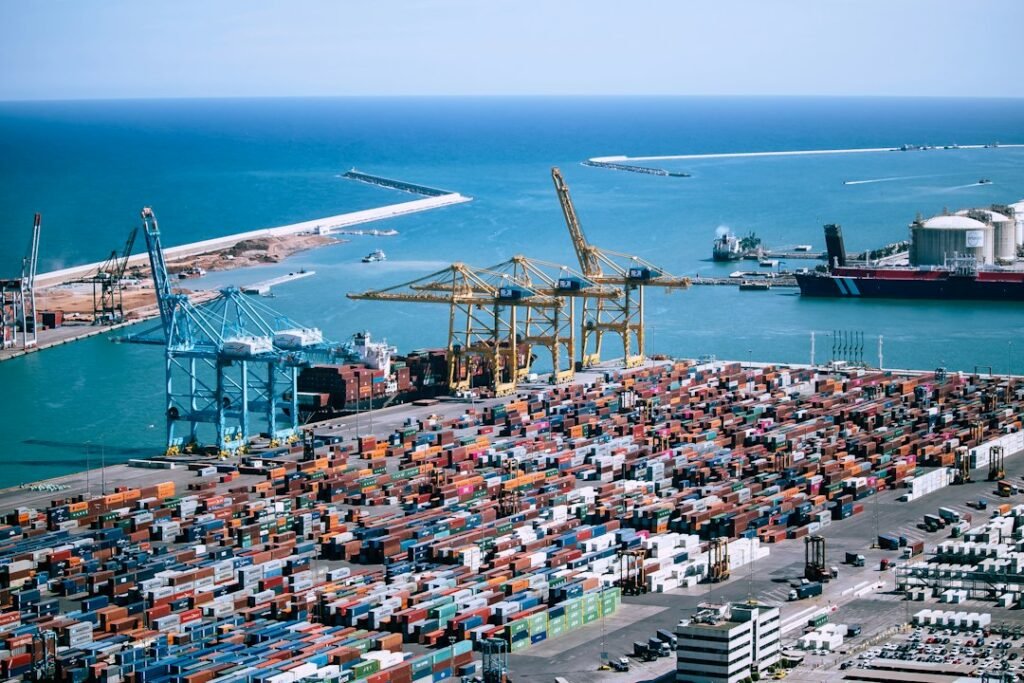
A container that leaves Ningbo for Vancouver crosses the Pacific in about three weeks, then has to travel another 4,000 kilometres by rail before it reaches a warehouse in Toronto. That one sentence explains why the process to import from China to Canada feels different from shipping to almost any other country: Canada is huge, its ports sit on opposite coasts, and the customs system changed recently. This guide is written for Canadian importers who want to understand the Canada-specific rules first (CBSA, CARM, GST/HST, bilingual labels) and then choose the right route and the right partner.
We are Alanovas, a sourcing and shipping company based in Jinhua, next to the Yiwu wholesale market. We work with Canadian buyers who need a supplier checked, goods inspected and cargo moved from China to Canada with clear costs, full transparency and support at every step. Rules and tariffs change often, so use every rate and threshold below as a starting point and confirm it with the Canada Border Services Agency (CBSA) or your customs broker before you order.
Every commercial importer needs a Business Number (BN) from the Canada Revenue Agency, and you add an import/export program account (the RM account) to it. All commercial importers must register and manage their accounts through the CBSA Assessment and Revenue Management portal, known as CARM, where the importer of record handles accounts, statements and payments. Complete this step in advance, before you pay a deposit, because an importer without an account cannot clear goods, and a container waiting at the terminal costs money every day.
You also need to decide how you will pay duties and taxes:
Ask your customs broker which option fits your volume. If you are not sure, start with a small trial shipment and a broker who handles the portal for you.
You may clear your own goods, but most small and medium importers hire a licensed customs broker. A partnership with a licensed customs broker makes customs clearance easier and safer: the broker files the declaration, classifies your goods under the correct tariff code, calculates duties and GST/HST, and answers CBSA questions if your shipment is flagged. A freight forwarder is a different role: the forwarder books the ocean freight or air freight and arranges transport, while the broker deals with the border. Some companies offer both, and that reduces handoffs.
A practical rule: if you ship regularly, have a CARM bond and import simple, well-classified goods, you can consider handling parts of the process yourself. If your products fall under several rules (food, electronics, children's products), hire the broker. Proper tariff classification is crucial, because a wrong code means wrong duties and possible penalties. Our logistics and shipping coordination service works with brokers on the Canadian side so your cargo does not stop between the port and your door.
Canadian import regulations calculate the tax on your commercial goods in three layers:
You may hear that CUSMA (the trade agreement between Canada, the United States and Mexico) lowers duties. It does not help here. CUSMA preferences apply to goods that qualify as originating in the member countries, and products made in China do not. Treat China-origin goods as ordinary imports and budget accordingly. Some duty relief programs exist for goods that are later exported or used in manufacturing, so a business that re-exports should ask a broker about them before ordering.
Agree on Incoterms with your supplier too. They define who is responsible for shipping, costs and risk between buyer and seller. With FOB the supplier delivers to the Chinese port and you control the freight, while other terms leave more of the journey to the seller and make costs harder to compare.
Where the container lands decides your transit time, your inland cost and your delay risk. These are the main gateways for China to Canada cargo:
| Gateway | Typical use | What to know |
|---|---|---|
| Vancouver | Largest Pacific gateway, good for Western Canada and rail to Toronto | Usually the fastest sailing time from Shanghai and Ningbo, busy in peak season |
| Prince Rupert | Direct rail to the Prairies and Ontario | Short sailing from Asia, fewer terminals |
| Montreal | Eastern Canada, Quebec and Ontario by road or rail | Longer routing, often via transshipment, good for Quebec buyers |
| Halifax | Atlantic Canada | Reached via the Panama or Suez route or by rail from the West |
Port to port, a Vancouver arrival is often around three to four weeks from the main Chinese ports, and rail to Toronto adds about a week or more. Eastern ports can take longer. These are typical ranges, not promises, because schedules move with congestion, weather and carrier decisions.
Winter adds a Canada-specific risk. Snow, cold and rail disruptions can slow inland moves between November and March, and labour disruptions at ports or on the railways have caused delays in past years. Build a buffer into your plan, especially for seasonal products, and ask your forwarder about the current situation on the day you book. If you are unsure whether to fill a container or share one, read our guide to FCL vs LCL shipping from China and the pages for FCL shipping and LCL shipping.
Your shipping method should follow your business model, not the other way around:
Many first-time importers focus on freight and forget compliance. Goods sold in Canada must meet strict domestic safety laws, including bilingual labelling and product standards. Check these rules early:
The lesson is simple: ensure compliance at the factory stage, and avoid costly errors later. It is far cheaper to change a label before printing than to rework cartons in a Canadian warehouse. Our pre-shipment inspection can check labels, markings and quality before the cargo leaves China.
You can find suppliers on Alibaba, at trade fairs or through a sourcing agent, but a good listing does not prove a good factory. For Canadian buyers, add two checks: whether the supplier can produce bilingual packaging and test reports, and whether they understand Canadian standards. Work with multiple suppliers for important products so one delay does not stop your business, and verify each business licence before paying. Our sourcing and supplier management service finds and vets factories, negotiates prices and keeps the documentation organised. To secure your money, agree on payment terms in writing; our page on payment methods explains the options.
Accurate and complete documentation is the best protection against delays at the border. Prepare these documents with your supplier:
The invoice values, descriptions and quantities must match everywhere. For more detail, see our page on trade documents and process guidance.
Before you commit to a supplier, estimate the full cost of the goods landing in your warehouse:
Add up these lines for each supplier. A cheaper factory price can disappear once the inland transport and taxes appear. If demand is uncertain, order a smaller first container and increase the next one when sales confirm the pricing.
Yes, in most cases. Commercial imports pay GST or HST at the border, and many goods also pay customs duty, sometimes with an additional surtax. The exact amount depends on the tariff code, the value and the origin, so ask your customs broker for a quote before you ship.
They change, and some products face extra surtaxes while others do not. Check the CBSA customs tariff and the Department of Finance notices for your exact code, and confirm with a broker on the day of shipment instead of relying on an article that may be out of date.
Most general merchandise does not need one, but controlled goods such as certain food, plant, textile or strategic products can require permits or licences. You do need a Business Number and an RM account to import commercial goods.
No. CUSMA benefits apply to goods that qualify as originating in Canada, the United States or Mexico. Products manufactured in China are treated as ordinary imports, even if they are shipped through a US port.
Ocean freight to Vancouver typically takes about three to four weeks port to port, plus rail or truck inside Canada, while air freight takes about a week. Winter weather, port congestion and rail disruptions can add days, so keep a buffer.
Most consumer and industrial products can be imported and sold, as long as they meet Canadian labelling, safety and certification rules. Popular categories include home goods, electronics accessories, furniture, tools and packaging. Check regulated categories like toys, cosmetics and electrical goods before ordering.
Tell us what you want to import, how many units and which Canadian city it must reach. Our team brings the expertise to check the supplier, review the compliance points above and send a clear plan with costs for your customers and your business. Make a request for a free quote on our contact page and we reply within one business day, with support from the first email to delivery.
Tell us what you want to source from China and where it is going. We reply within 1 business day with clear next steps. Quotations start at $50 for up to 3 products, credited to your service fee when you place the order. See our services and fees.
Tell us your product, quantity and destination. We reply within 1 business day with a clear plan and quote.
Alanovas is a China-based sourcing and shipping partner in Jinhua, near Yiwu and Ningbo. We help importers across Africa, the Middle East, Europe and North America find suppliers, inspect goods and ship with clear costs.
We use essential cookies to make our website work. With your consent, we also use Google Analytics to understand how visitors use our site, and Google Maps to show our office location. You can accept, deny, or choose your preferences, and change your choice at any time.