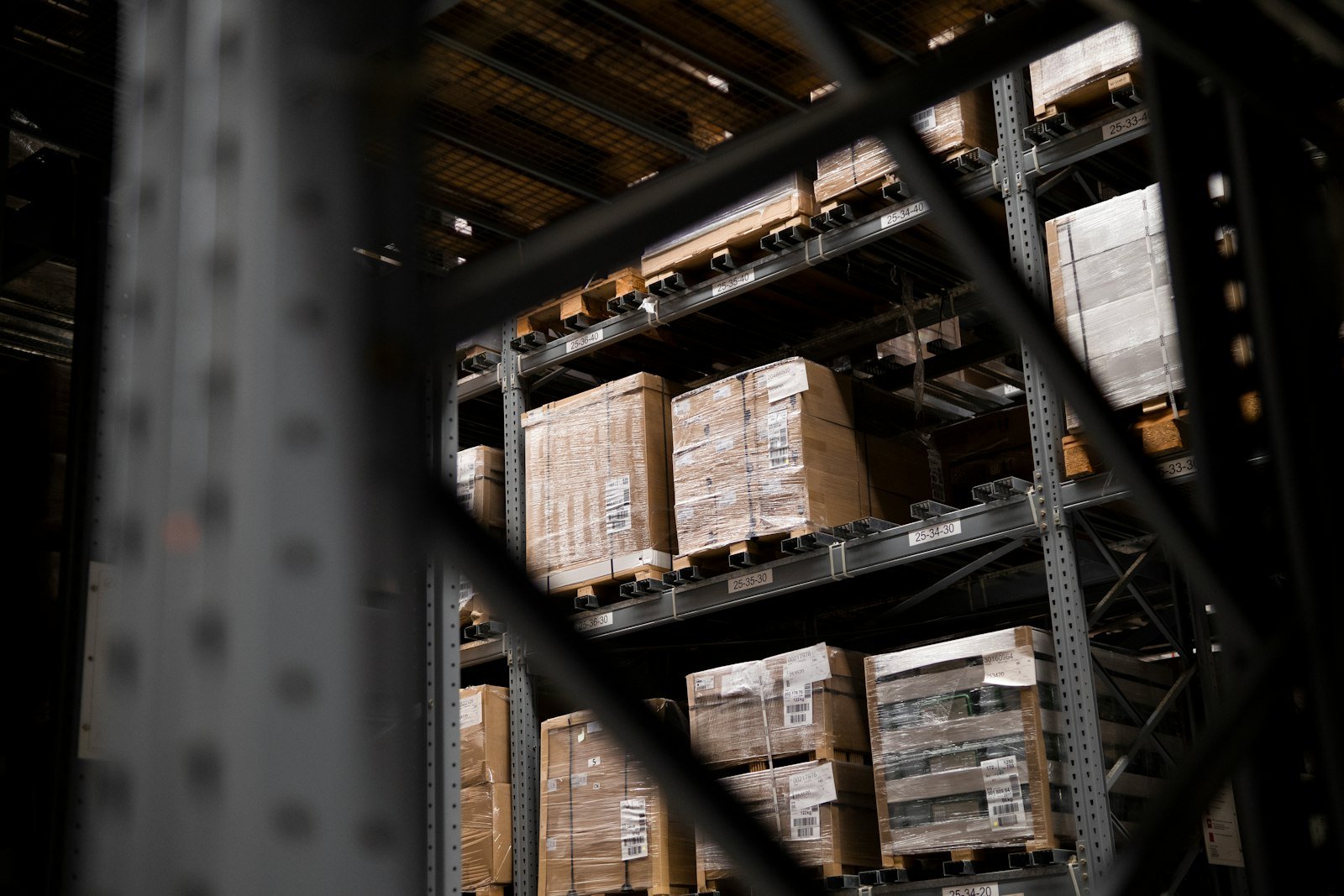
A pre shipment inspection in China is a quality check carried out at the factory when production is finished and at least 80% of the goods are packed, before you pay the balance and before the shipment leaves. An independent inspector visits the production line, checks a random sample of your products against your approved sample and specification, using AQL sampling standards, and sends you an inspection report with photos. Pre-shipment inspection is the most common inspection service in China. It helps prevent receiving defective products, and it establishes your leverage over the supplier before final payment. If the goods fail, you find out while you can still negotiate corrective actions. If they pass, you ship with evidence in hand.
This guide explains how a pre-shipment inspection works, the other types of product inspection in China, how AQL sampling works, what an inspection costs, and what to do when a shipment fails.
What Is a Pre-Shipment Inspection?
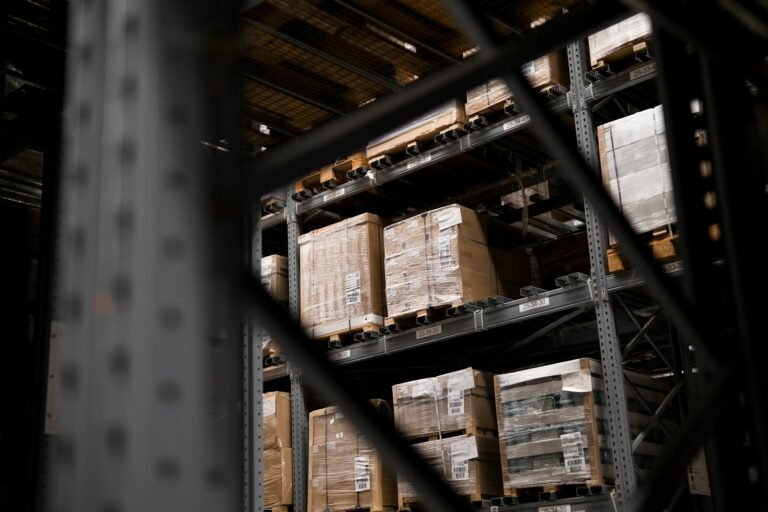
A pre-shipment inspection (PSI), also called a final random inspection, is the last quality gate before your goods leave the factory. It is recommended to conduct it when at least 80% of the products are packed in export cartons. The inspector does not check every unit. They draw a random sample from the finished goods, based on AQL standards, and compare it with the approved sample and the specifications provided by the buyer. During the inspection, the documentation reviewed includes purchase orders and technical specifications.
The inspection confirms that:
- the quantity matches your purchase order
- the product matches the specifications and the approved sample
- packaging and labeling meet your requirements
- no critical defects exist, such as safety issues, and the goods comply with destination country safety regulations and standards
- the shipment is ready to be loaded
Why Inspect Before Shipping?
Most quality problems are cheap to fix at the factory and very expensive to fix after the goods arrive. Once a container is shipped and the balance is paid, rework, returns and claims against a Chinese supplier become slow and uncertain. A pre-shipment inspection helps because it:
- gives you leverage over suppliers before final payment, so you can refuse shipment or demand rework while the balance is still unpaid
- prevents costly shipping returns and financial losses caused by defects, and reduces the risk of shipping costs for non-compliant goods
- protects your brand reputation by keeping defective products away from consumers
- enforces accountability among manufacturers, signaling that quality is non-negotiable
- documents the condition of the goods if there is a dispute later
Independent third-party inspections provide unbiased product evaluations before shipment. An inspection costs a fraction of a rejected shipment. For first orders with a new supplier, it is one of the cheapest forms of risk control you can buy.
Why Quality Control Matters in China
China accounts for roughly 28 to 30% of global manufacturing output, and its manufacturing sector expanded rapidly after joining the WTO in 2001. Different regions specialize: Guangdong is the powerhouse of Chinese manufacturing, Zhejiang produces textiles, garments and machinery, and Fujian is a leading region for footwear. Production costs have risen with labor costs, which puts pressure on factories to cut corners. Common quality issues include raw material substitution and unauthorized subcontracting. Quality control is essential to protect your supply chain, and third-party inspections help catch defects before goods leave the factory.
The Main Types of Product Inspection in China
There is no single inspection. Quality control services usually include four stages along the production timeline.
1. Initial Production Check (IPC)
Carried out at the start of mass production, when about 10 to 20% of the goods are made. The inspector checks raw materials at production startup, components, the production line setup and the first finished units. Problems found here, such as the wrong material, are the cheapest to fix.
2. During Production Inspection (DPI)
Carried out when about 20 to 50% of the order is finished. It checks for quality issues, confirms that the factory is still meeting the specification, and tests whether the delivery date is realistic. It is most useful for complex products or long production runs.
3. Pre-Shipment Inspection (PSI)
Carried out when production is finished and packed. It checks a random sample against the AQL and is the stage most buyers use. If you only book one inspection, this is the one.
4. Container Loading Supervision (CLS)
Carried out while the goods are loaded into the container. The inspector checks that the right cartons are loaded, that the quantity is correct, and that the container is clean, dry and sealed. This prevents misloading, short shipments and cargo damage.
Beyond these, buyers may book a factory audit (an assessment of the supplier’s capacity, management and social compliance), a full inspection where every single unit is checked (used for high-risk or high-value goods), and laboratory testing for products that must meet standards such as REACH, CPSIA or FCC certification. Sellers on Amazon may also book an FBA inspection, which combines factory QC with marketplace compliance checks.
What Does an Inspector Check?
- Quantity: total cartons and units against the purchase order.
- Product specifications: size, weight, color, material and function against the approved sample.
- Workmanship: visible defects such as scratches, stains, loose parts and bad stitching.
- Packaging and labeling: export cartons, barcodes, shipping marks, inner packing and instructions.
- Functionality and safety tests: simple on-site tests such as switching on electrical products, carton drop tests and measurements.
- Compliance marks: whether required labels and certificates are present, such as CE or FCC.
You get an inspection report with photos and a clear pass or fail result. Ask for a sample report before you hire anyone.
How AQL Sampling Works
AQL stands for Acceptable Quality Limit. It guides defect acceptance levels during inspections and is the maximum number of defects considered acceptable in a random sample. Most inspections use the ISO 2859-1 sampling tables, usually inspection level II. Defects are divided into three classes:
- Critical defects: unsafe or illegal. The accepted number is zero.
- Major defects: the product is unusable or does not meet specification. Usually AQL 2.5.
- Minor defects: small cosmetic issues that do not affect use. Usually AQL 4.0.
What does 2.5 AQL mean? Up to 2.5% defective units in the lot is acceptable for major defects. In practice, the sample size and the allowed number of defects come from the table.
Example: for a lot of 1,201 to 3,200 units, the sample size is 125 pieces. At AQL 2.5 for major defects, the lot passes if no more than 7 major defects are found. At AQL 4.0 for minor defects, the limit is 10. If the inspector finds 8 major defects, the lot fails.
Stricter limits, such as AQL 1.5 or 0.65, mean more rejections and cost more at the factory. Specific requirements for the PSI should be defined and agreed upon before the inspection, so agree the AQL levels with your supplier in writing before production starts.
How to Arrange a Pre-Shipment Inspection in China
- Put quality requirements in the contract. Include the specification, AQL levels, packaging rules and what happens if the goods fail.
- Choose an inspection provider. Pick an independent third party inspection company with inspectors near the factory, experience with your product category and a clear sample report. Avoid inspectors who work for your supplier.
- Book 5 to 7 days before the goods are ready, and tell the factory the date. Provide the purchase order, specification and approved sample.
- Do not pay the balance until you have read the report. Tie the final payment to a passed inspection, not to a shipping date.
- Decide quickly. If the lot passes, release the balance and shipping. If it fails, follow the steps below.
You can hire an inspection company directly, or ask your sourcing agent to arrange it. Our team in Jinhua and Yiwu can coordinate the whole process for you.
How Much Does an Inspection Cost in China?
Inspection services are normally priced per man-day, which means one inspector working for one day. A single product at a single factory is usually one man-day, though large orders, many SKUs or distant factories may need more. Rates differ by province, city and provider, and are typically a few hundred US dollars per man-day, so request written quotes from several companies. Extra costs to ask about include travel to remote locations, laboratory testing and rush bookings. A larger lot needs a larger sample, which takes more time, but the inspection stays a small share of the order value.
What If the Shipment Fails Inspection?
A failed PSI allows you to negotiate corrective actions with the supplier before payment. It is not a disaster. It is the reason you inspected. Options include:
- Rework and re-inspection: the factory fixes or replaces the defective units, sorts the lot, and you book a re inspection. Agree in advance that the factory covers the re-inspection fee when the failure is its fault.
- Accept with a discount: if defects are minor and you still want the goods, negotiate a price reduction.
- Reject the lot: in serious cases, refuse the shipment. This is much easier while the balance is unpaid.
Share the report with the factory, ask for corrective actions in writing, and remain firm on your quality standards. Suppliers who want repeat orders usually respond.
Does Every Order Need an Inspection?
Consider one seriously when it is your first order with a supplier, the order is large or high value, the product is safety related or regulated, you sell on marketplaces where defects lead to returns and poor reviews, or you cannot visit the factory yourself. For small, low-risk, repeat orders from a proven supplier, a lighter check, such as photos or a video call, may be enough.
Inspection and Your Supplier Choice
Inspection catches problems in the goods, but it does not tell you whether a supplier is real or reliable. Check the supplier first, as covered in our guide on trading company vs factory in China, and agree on production details, as explained in OEM factory China. Our guide to direct purchase from China describes the full buying process, including samples and payment terms.
How Alanovas Helps With Quality Control
As a sourcing company based in Jinhua, we coordinate inspections for our clients, from pre-production checks to container loading supervision. We confirm the specification with the factory, book the inspector, review the report with you and manage re-inspection if needed, so the balance is paid only once the goods meet your standard. Read more about our sourcing and supplier management service or contact us for help with your next order.
Alanovas can run the inspection for you. We book an independent inspector, review the report with you and negotiate corrections with the factory before you pay the balance. Contact us before your next order is ready to ship.
Frequently Asked Questions About Inspections in China
What is a pre-shipment inspection?
A quality check of finished goods at the factory before shipment. An inspector tests a random sample against your specification and reports whether the lot passes.
When should a pre-shipment inspection be done?
When at least 80% of the order is produced and packed, ideally 5 to 7 days before the planned shipping date.
What are the types of inspection?
The main types are initial production check, during production inspection, pre-shipment inspection and container loading supervision.
What is an AQL inspection?
An inspection based on acceptable quality limits. A random sample is checked, and the lot passes only if the number of defects stays below the limit for each defect class.
What does 2.5 AQL mean?
It is the usual limit for major defects, meaning up to 2.5% defective units is acceptable. The exact number of allowed defects depends on the sample size.
How much does a product inspection cost in China?
Pricing is per man-day and usually a few hundred US dollars, depending on location and provider. Ask for written quotes.
Do I need an inspection if I use a sourcing agent?
It is still recommended. A sourcing agent can arrange and review the inspection, but an independent report gives you evidence for your records.
What should I do if the inspection fails?
Request corrective actions, rework and re-inspection, negotiate a discount, or reject the shipment. Do not pay the balance until the problem is resolved.