

Search for a Chinese marketplace and you will find two completely different kinds of website mixed together. One group exists so the rest of the world can buy from China. The other exists so international brands can sell to Chinese consumers. They share a language and very little else: different rules, different users, different money.
This guide separates them. First the platforms importers use to buy, then the cross border e commerce platforms overseas brands use to sell, and finally how to choose one platform to start with. If you are sourcing products rather than selling into the Chinese market, the first half is the part you need.
Two Kinds of Chinese Marketplace
Everything becomes clearer once you know which direction the goods travel.
- Outbound, for buyers. Alibaba, 1688, Made-in-China, Global Sources, AliExpress and DHgate connect Chinese suppliers with foreign businesses and shoppers. English is common, prices are in dollars and export is normal.
- Inbound, for sellers. Tmall, Tmall Global, JD.com, JD Worldwide, Pinduoduo, Douyin and Xiaohongshu sell to Chinese consumers. They run in simplified Chinese, settle in yuan, and expect either a Chinese entity or a cross border arrangement.
Taobao sits between the two. It is China’s largest consumer marketplace and foreigners do buy from it, but it was never built for them.
One more distinction is worth making. A marketplace in China can be a physical shopping centre as much as a website: the Yiwu International Trade City and the Canton Fair are marketplaces in the original sense, with thousands of stalls and stands under one roof. Online, the same idea scales to millions of independent vendors on a single platform.
Buying From China: The Platforms Importers Use
These are the platforms worth knowing if your goal is to source products, compare prices and place an order.
| Platform | Model | Best for |
|---|---|---|
| Alibaba.com | B2B, export-facing | Bulk orders, English communication, export documents |
| 1688.com | B2B, domestic | Lower prices, wholesalers and small suppliers, Chinese only |
| Made-in-China | B2B, export-facing | Machinery, industrial goods, components |
| Global Sources | B2B, export-facing | Consumer electronics, mobile phones, computers |
| Taobao | C2C, domestic | Huge choice, small quantities, Chinese only |
| AliExpress / DHgate | B2C, export-facing | Samples and single items, near-retail prices |
Alibaba is where most importers start. Suppliers there expect foreign buyers and can handle export paperwork. Alibaba launched its international site long before the domestic platforms opened up, and it remains the most practical door in.
1688 is the same company’s domestic marketplace, and often the same factories at lower prices. Unlike Alibaba, it assumes you are a Chinese business: simplified Chinese interface, mainland payment, mainland delivery address. Importers use it to compare prices and understand the real cost of goods, then buy through a partner in China who can transact and export.
Taobao is consumer-facing, enormous, and the place to find anything unusual. Payment and delivery assume a Chinese account, so most foreign shoppers go through a forwarding agent.
Is Taobao Safe to Buy From, and Is There an English Version?
There is no full official English version of Taobao. The app offers some translation and there are regional versions for parts of Asia, but the main site runs in Chinese. Most buyers outside China either use browser translation or a buying agent who places the order, receives the goods and forwards them.
As for safety, Taobao has buyer protection, ratings and a dispute process, and millions of transactions pass through it daily without issue. The practical risks are different ones: listings described loosely, sizes and specifications that do not match, and no recourse once an agent has forwarded a parcel abroad. For personal purchases that is an acceptable gamble. For business stock it is not, which is why commercial buyers use B2B platforms and verify the company behind the store.
Selling Into China: Cross Border E Commerce
If your goal is the opposite direction, selling to Chinese shoppers, the landscape changes completely. Alibaba’s platforms and JD hold much of the market share in mainstream e commerce, while newer apps compete through content and price.
- Tmall and Tmall Global. Tmall is the premium brand mall, open to companies with a Chinese entity. Tmall Global is the cross border version: overseas brands sell from abroad, ship through bonded warehouses or direct, and keep their own company structure. Both require proof of brand ownership or written authorisation from the brand owner before a store is approved.
- JD.com and JD Worldwide. JD is known for authenticity and its own logistics network, strongest in consumer electronics, computers and home appliances. JD Worldwide is its cross border route for international brands.
- Pinduoduo. Built on group buying, where shoppers team up for lower prices. Very strong in lower tier cities and in value categories.
- Douyin. TikTok China, and a serious sales channel in its own right through live streaming and short video, especially for beauty, fashion and food.
- Xiaohongshu. A discovery platform where recommendations and reviews drive purchase decisions, heavily used by younger Chinese consumers researching overseas brands.
Two mechanics matter across all of them. Bonded warehouses let cross border goods sit in a free trade zone inside China and clear customs only when a consumer orders, which shortens delivery without a full import. And key opinion leader marketing, through Taobao Live, Douyin or Xiaohongshu, does the work that search advertising does elsewhere: a single live streaming session can sell more than a month of ordinary listings.
Payment runs through Alipay and WeChat Pay rather than cards. A store without them will not convert.
Cross border selling also has its own rules. Goods bought this way are treated as personal imports, with value caps per transaction and per year set by Chinese regulation, and they are limited to an approved list of categories. Because stock already sits in a bonded warehouse inside the country, orders usually reach the consumer within a few days rather than the weeks a direct international parcel would take.
How Payment and Buyer Protection Work
Chinese platforms built trust through escrow rather than credit cards. Alipay, created for Taobao, holds the buyer’s money and releases it to the seller only once the buyer confirms the goods arrived as described. That mechanism, plus seller ratings and layered automated fraud detection, is what made a marketplace of strangers workable.
On the B2B side, Alibaba’s Trade Assurance plays a similar role: funds are held and a claim can be raised if the order does not match what was agreed. Most platforms now support secure international payment methods alongside the Chinese ones.
The limit is the same everywhere: protection covers what the order document says. If the listing never specified the material, the grade or the thickness, no escrow will settle that argument in your favour. Write the specification into the order, and keep the conversation on the platform where it can be read back.
How They Compare With eBay and Amazon
Taobao is often described as China’s eBay: a marketplace of small businesses and individual sellers competing on price, with the platform acting as referee rather than retailer. Tmall and JD sit closer to Amazon, built around official brand stores, verified partnerships and controlled logistics.
Platform analytics also run deeper. Recommendations are personalised from browsing and purchase history to a degree Western shoppers rarely see, which is why the same store can perform very differently depending on how its content is tagged.
Three habits make Chinese online shopping feel different. Payment runs through Alipay and WeChat Pay instead of cards. Discovery happens inside content, so a product is found through a video or a review rather than a search box. And the same apps work as social channels, messaging tools and shops at once, which is why a brand store without content rarely performs.
For buyers outside China, access varies. Shoppers in India, Southeast Asia, the Middle East, Africa and Latin America use these platforms heavily, but delivery options, payment methods and customs rules differ by country, and the export-facing sites are usually the only ones that ship internationally without help.
Popular Categories and Shopping Events
Some categories dominate Chinese marketplaces because the supply base sits close by.
- Clothing, footwear and fashion accessories, the largest category on consumer platforms by volume.
- Beauty and personal care, where overseas brands do particularly well through cross border stores.
- Consumer electronics, mobile phones, computers and accessories, including cases and chargers for Apple and Android devices.
- Home appliances and home goods, with JD traditionally strong here.
- Toys, stationery, tools and car parts, much of it flowing out of the Yiwu market.
Two shopping festivals shape the calendar: 618 in June and Singles’ Day on 11 November, when platforms run their deepest deals and factories run at full capacity. If you are buying for your own customers, plan production away from those weeks, because capacity and freight both tighten around them. And remember that a festival price on a consumer platform is still a retail price; wholesale pricing comes from the B2B side.
How to Choose One Platform
Start with one platform and do it properly. Spreading across five at once is the most common and most expensive mistake.
If you are buying:
- Bulk orders with export handled for you: Alibaba or Made-in-China.
- Best prices and willingness to work through a partner in China: 1688.
- Samples before committing: AliExpress or DHgate.
- Small commodities in many categories: the Yiwu market, online or in person.
If you are selling:
- No Chinese entity yet: Tmall Global or JD Worldwide.
- Premium or imported value proposition: Tmall Global.
- Visual product and content capacity: Douyin and Xiaohongshu.
- Price-led mass market: Pinduoduo.
Whichever side you are on, read the platform rules before you sign. Category restrictions, deposits, commission rates and the documents required differ sharply, and the registration that works for one store will not automatically transfer to another.
Payment, Shipping and Delivery
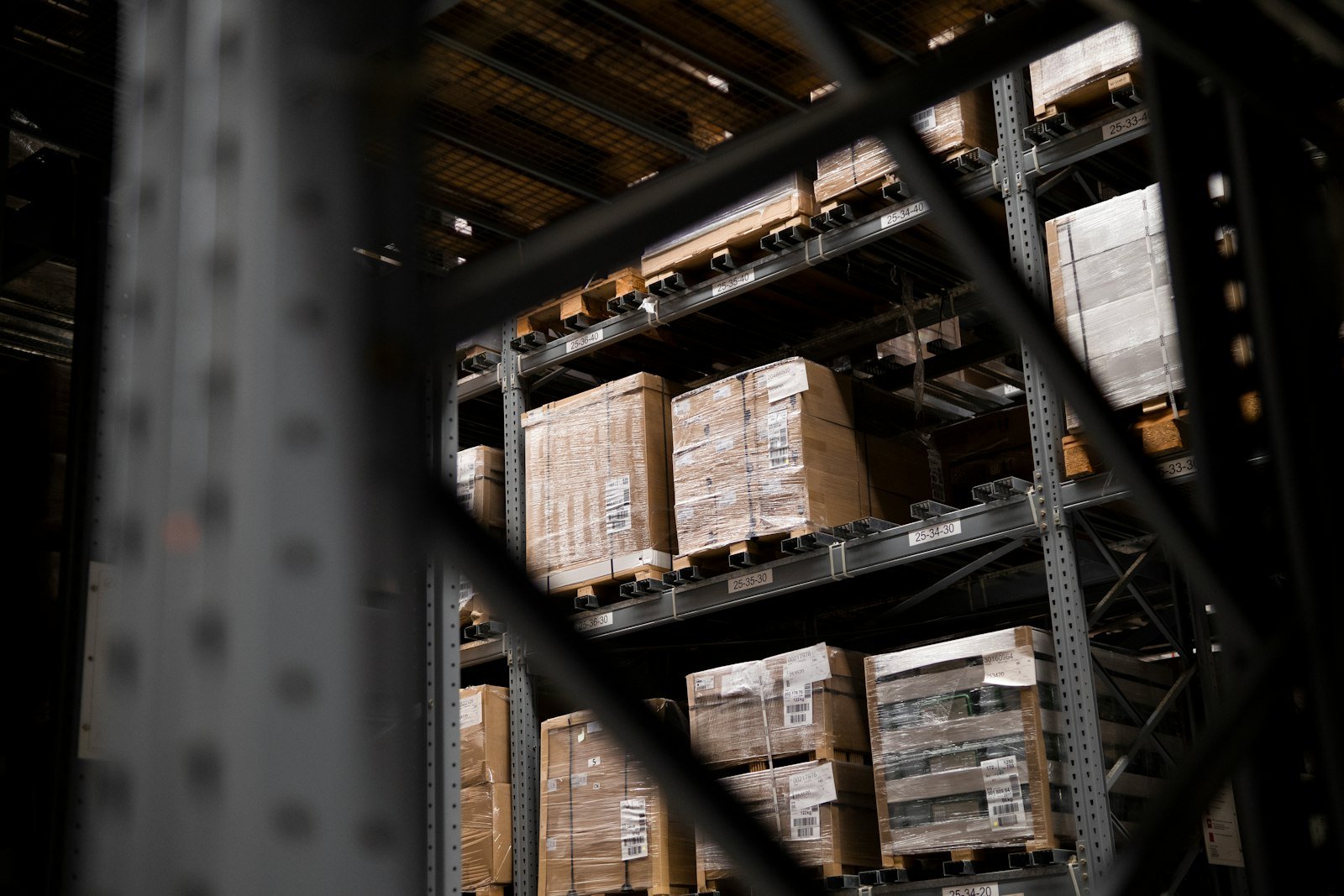
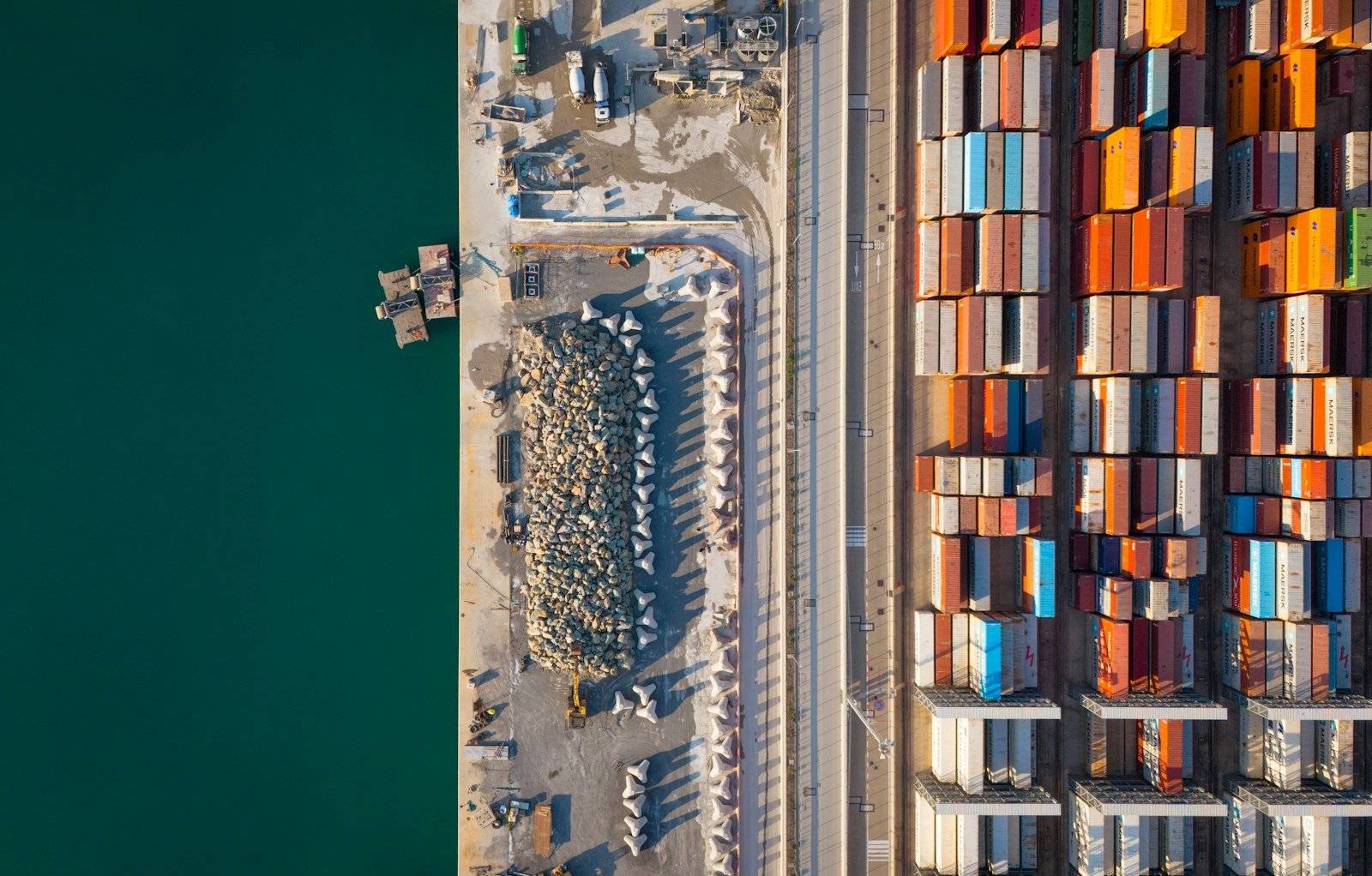
On the buying side, B2B orders are normally settled by bank transfer, typically a deposit with the balance before shipment, or through platform escrow. Avoid paying any personal account. Shipping is arranged separately from the purchase: express for samples, air freight for light and urgent goods, sea freight for anything substantial. Air freight normally takes about 2 to 7 days, while sea freight runs roughly 20 to 40 days depending on the route, plus customs clearance in your country.
Our guides to CBM and shipping volume, Incoterms and import duties cover the cost side in detail.
On the selling side, cross border models usually ship from a bonded warehouse inside China or direct from your own country, and the platform handles consumer payment and refunds.
Which Chinese Marketplace Is Best?
There is no single best one, only the best fit for what you are doing. For international businesses sourcing products, Alibaba is the most workable starting point and 1688 the best price benchmark. For consumers hunting unusual items, Taobao is unmatched if you can work around the language. For overseas brands entering the Chinese market, Tmall Global and JD Worldwide remain the standard routes, with Douyin and Xiaohongshu as the content-led alternatives.
What never changes is the step behind the platform: knowing who you are actually dealing with. A marketplace listing is a shop window, not a guarantee of the company behind it.
How Alanovas Helps
Alanovas is a registered trading company in Jinhua, Zhejiang, beside the Yiwu International Trade City. We help international buyers source from China rather than sell into it, and that includes buying from platforms you cannot easily access yourself.
We identify and verify Chinese manufacturers and suppliers, place and manage orders on domestic platforms such as 1688 and in the Yiwu market, compare prices across several suppliers, inspect goods before shipment, consolidate items from different sellers into one shipment and prepare the export documents. Our service fee is quoted separately from the supplier’s price, and our team works in English, Arabic, French and Chinese.
If you have found products on a Chinese marketplace and want help buying them properly, see our sourcing and supplier management service and our services and fees, or send us the product links.
Frequently Asked Questions
Which Chinese marketplace is best?
It depends on your direction. For businesses sourcing products, Alibaba is the most practical starting point because suppliers there expect foreign buyers, while 1688 gives the best price benchmark if you can transact through a partner in China. For overseas brands selling to Chinese consumers, Tmall Global and JD Worldwide are the standard cross border routes, with Douyin and Xiaohongshu as the content-led alternatives.
Is there an English version of Taobao?
There is no full official English version. The app includes some translation and regional versions exist for parts of Asia, but the main site runs in simplified Chinese and assumes a Chinese payment method and delivery address. Most buyers outside China use browser translation or a buying agent who places the order and forwards the goods.
Is Taobao safe to buy from?
For personal purchases it is reasonably safe: there is buyer protection, seller ratings and a dispute process, and the vast majority of orders arrive as described. The real risks are loose product descriptions, specifications that do not match, and limited recourse once an agent has forwarded a parcel abroad. For business stock, use a B2B platform and verify the company behind the store.
What is the best Chinese online shopping site for international buyers?
For single items and samples, AliExpress and DHgate ship internationally and work in English. For wholesale quantities, Alibaba and Made-in-China are built for export. Taobao and 1688 offer more choice and lower prices but are designed for the domestic market, so international buyers normally reach them through a sourcing partner or forwarding agent.
Can a foreign brand sell on a Chinese marketplace without a Chinese company?
Yes, through cross border e commerce. Tmall Global and JD Worldwide are designed for overseas companies selling from abroad, usually shipping through a bonded warehouse inside China or direct from the home country. Selling on the domestic versions, Tmall and JD.com, requires a Chinese entity.